Silence in the Stacks: A Book-Club Bourbon Draw for Whispered Hurrahs
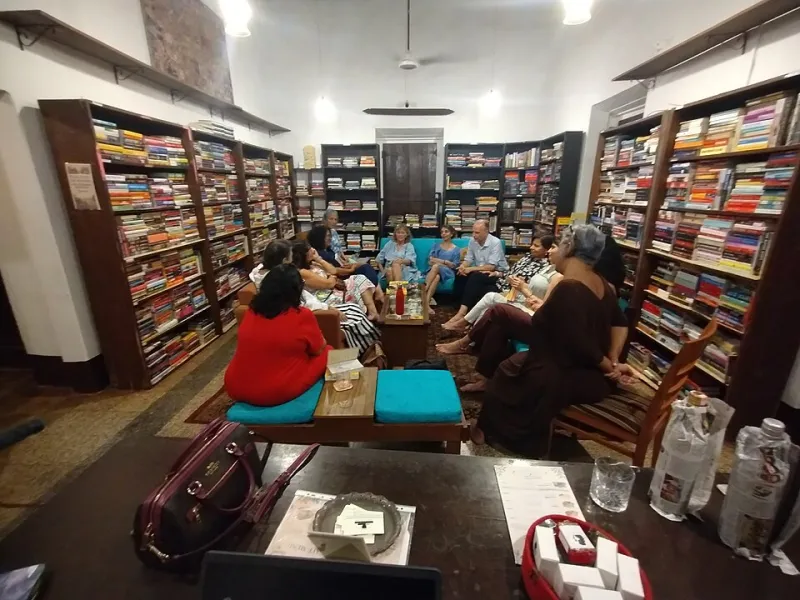
Photo: Fredericknoronha, CC BY-SA 4.0, via Wikimedia Commons
There is a particular sound a book club makes when someone wins a bottle of bourbon. It is not a roar. It is a sharp intake of breath, a paused page-turn, then a polite flutter of applause that would not wake the biography section. That, frankly, is the correct vibe for a library draw.
Here at Win With Buffalo Trace, we like a prize draw with a bit of plot. So if your reading group fancies a bottle-sized twist at the end of the chapter, the trick is to make it feel literary, local and quietly good-mannered. No klaxon. No lad banter. No one using the returns trolley as a bar.
First, make friends with the librarian
A library after hours is a borrowed kingdom. Treat the keys with respect. Agree the closing time, the alarm code etiquette and the maximum number of people before anyone starts moving chairs. Keep the prize table away from the returns trolley, the fire exit and any shelf that looks like it would rather not be leaned on.
Ask plainly whether alcohol is allowed on the premises. In many spaces the answer will be a sensible no, which is fine: the draw can be a prize ceremony only, with the bottle staying boxed until the winner gets it home. A prize draw is not a licence to turn the reference section into a speakeasy.
The book-spine clue card system
Forget raffle tickets that look like they belong at a village fete. Give everyone a bookmark-shaped entry card instead. On it they write their name, a contact detail if your club needs one, and a book-spine clue: a title with a colour, a number and an animal, say, or the first three words of the book they would rescue from a fire.
Keep the matching stubs in a cardboard book made from an old cereal box and covered in leftover wallpaper. It looks charmingly homemade, costs almost nothing and cannot damage a single Dewey decimal. When it is time to draw, pull one stub from the book. One name, one genteel gasp, one winner.
The clues are not there to make the draw complicated. They are there to give the room something to chuckle about before the main event. A book club that has already argued about whether a title counts as a colour is a book club that is nicely warmed up.
The silent raffle, explained
A silent raffle does not mean everyone mimes. It means no live auction, no shouted numbers and no competitive bidding. Entries go into the book-shaped box during the first half of the evening. The box closes at a stated time. The draw happens once, near the end, with the librarian or a nominated club member doing the honours.
Announce the rules early and cheerfully. One entry per person. Winner must be in the room, or have nominated a book-mark holder who is. The prize is the bottle as presented, not a promise to open it on the premises. Keep it simple enough that nobody needs a flowchart after their second cup of tea.
This format suits quiet cheerers beautifully. There is suspense, but it is the suspense of a good short story rather than a game show. The room leans in. Someone whispers the odds. Someone else says they never win anything. Then a name is read and the winner does that delighted little shoulder-shrug that says more than a drum roll.
Make the bottle feel literary, not laddish
Presentation matters. A bottle handed over with a wink and a shout of get it down you is a different object from a bottle handed over with a bookmark and a note saying, for the next chapter. Same bourbon, entirely different evening.
Put the bottle in a plain cloth tote or a sturdy paper bag. Add a bookmark, a short handwritten label and perhaps a postcard of the local library. If you want to nod to the Kentucky side of things, mention the Buffalo Trace story briefly and without a lecture: a distillery with history, a bottle with character, a prize that deserves a bit of ceremony.
No drinking games. No shots. No one is obliged to open the bottle at the table, and nobody should be made to feel like a spoil-sport for taking it home sealed. The prize is a bottle, not a personality test.
Borrowed glasses and a very short tasting
If your venue does allow a small tasting, keep it genuinely small. Borrowed glasses should arrive wrapped in tea towels, labelled with masking tape and washed afterwards by someone who did not win. A borrowed glass is a trust exercise, and the correct response is to return it clean.
Pour modest measures, provide water, and make it clear that the tasting is optional. If anyone is driving, the bottle travels home unopened. Over-18s only, obviously, and a quiet word about drinking responsibly fits neatly on the entry card rather than in a stern speech at the end. One sentence is enough. Responsible drinking notes should be part of the furniture, not a fire alarm.
The tea-and-biscuit fallback
Not everyone drinks. Some people are driving, some are pregnant, some simply prefer tea, and some have a complicated relationship with alcohol that is nobody else's business. So build a parallel prize into the plan: a book token, a fancy tea selection, a good notebook, a biscuit tin worth coveting.
The tea-and-biscuit fallback is not a sad corner. It is a full second draw, announced with the same ceremony as the bourbon. Nobody should have to explain why they are not drinking, and nobody should feel that the fun has been rationed. A generous host plans for the whole room.
A timetable that keeps the shush
A rough running order helps. Doors at half six, clue cards and entries until quarter past seven, book chat in the middle, silent raffle closed at eight, draw at quarter past, tea and biscuits after. If the library needs everyone out by nine, the biscuit course is not the place to discover a talent for impromptu speeches.
Keep the draw before the biscuits, or nobody will hear the winner over the Hobnobs. Keep the bottle boxed until the winner is ready to leave. Keep the applause warm but library-sized. A gentle round of clapping is worth more than a rowdy cheer, especially when the librarian is standing by the light switch.
The last page
The best book-club draw leaves no mess, no hangover and no reason for the librarian to regret handing over the keys. It gives the room a story to tell next month, a winner to tease gently and a bottle that feels like a plot twist rather than a stunt.
So choose the book-spine clues, print the bookmark tickets, borrow the glasses if you must, and keep the tea coming. If your club can whisper its hurrahs with style, the Buffalo Trace draw will fit right in between the covers.