Counters, Clues and a Kentucky Bottle: The Board-Game Buffalo Trace Draw Night
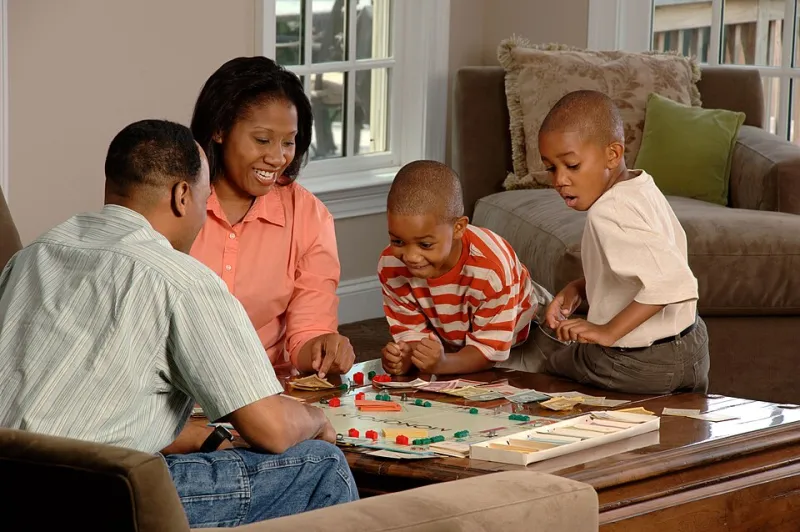
Photo: Bill Branson (Photographer), Public domain, via Wikimedia Commons
Board games and bourbon prize draws are natural bedfellows. Both run on luck, light skulduggery and the quiet thrill of watching someone else land on Mayfair while you clutch a Get Out of Jail Free card. Combine them carefully and you get an evening that feels like a proper occasion without turning your front room into a casino. Combine them badly and you get a Monopoly board flipped across the carpet by half nine. This guide is firmly in the first camp.
Why the Board-Game Draw Works
Britain has a long, affectionate relationship with board games. We argue over the rules, we invent house rules nobody asked for, and we insist the youngest player goes first even when they are thirty-four. A Buffalo Trace prize draw fits neatly into that ritual because it is, at heart, a very simple game of chance with a much better trophy cabinet.
The trick is to make the games the entertainment and the draw the crescendo. Nobody needs a second excuse to sit around a table with crisps and a copy of Cluedo. The prize draw simply gives the night a shape, a bit of suspense and a reason to print something on card.
Pass Go, Collect an Entry
Monopoly money is the unofficial currency of cheeky prize draws. Hand every guest a starting stack of notes when they arrive — say £1,500 in Monopoly pounds, because it feels lavish — and use the notes as entry slips. Win a hand of cards, answer a trivia question correctly or successfully spell “bourbon” without checking, and you earn another note.
At draw time, everyone drops their notes into a shoebox labelled Community Chest. The host pulls out a note, reads the serial number, and the matching guest picks a prize. It is silly, visual and far more fun than a plain roll of raffle tickets. Keep the entry free, keep the prizes as gifts rather than stakes, and the whole thing stays firmly in the territory of party game rather than back-room card school.
A printable scorecard helps no end. Three columns: name, Monopoly pounds earned, and a small box for “questionable rule interpretations”. The last column is for your own amusement.
A Cluedo-Style Clue Trail
If your guests prefer a bit of mild detective work, hide five or six clue cards around the house. Each card gives a riddle pointing to the next, and the final card reveals a code word. Guests who crack the trail earn an extra entry into the Buffalo Trace draw.
Keep the clues deeply unserious. “Colonel Mustard was last seen in the conservatory with a bottle of something brown and a guilty expression.” “The lead piping has been replaced by a breadstick; please adjust your suspicions.” The point is not to recreate a murder mystery weekend. The point is to give people something to do between sausage rolls that does not involve checking their phones.
For a printable trail, number each card clearly and keep the hiding places indoors. A clue taped under the biscuit tin is charming. A clue buried at the bottom of the garden in November is a diplomatic incident.
The Scrabble Word-Pull
Scrabble offers the most elegant entry mechanic of the lot. Put all the letter tiles in a cloth bag. Each guest draws seven tiles and has two minutes to make the longest bourbon-related word they can. “Oak” is fine. “Caramel” is better. “Kentucky” is showing off, but allow it.
The longest valid word earns three entries. Every other completed word earns one. If someone tries to play “bourbony” and argues it should be allowed because it is a feeling, deduct a point for cheek and let them have the entry anyway. It is that sort of night.
A simple printable scoresheet with columns for word, length, points and “host’s ruling” keeps things moving. It also gives you a written record of who tried to sneak in a proper noun.
Setting Up Without Losing the Will to Live
You do not need a marquee or a committee. A dining table, a side table for prizes and a clear patch of floor for the Monopoly board will do. Print the scorecards and clue cards the night before, dig out the board games, and put a pen by every chair. Pens are the real currency of any game night; there are never enough.
Food should be sturdy and unfussy. Cheese straws, a pork pie, some grapes for optical health, and a large pot of tea. If you are serving Buffalo Trace as part of the prize presentation, do it properly: small measures, plenty of water, and a clear finish time. The draw is the main event, not the drinking.
Prize Bundles That Earn Their Place on the Table
A board-game draw deserves prizes with a bit of character. Think beyond the bottle, or rather around it.
- The Monopoly Mogul: a bottle of Buffalo Trace, a decent tumbler, a leather coaster and a tiny toy top hat if you can find one.
- The Cluedo Sleuth: Buffalo Trace, a pocket notebook, a pencil and a card reading “It was the host, in the kitchen, with the last slice of cake.”
- The Scrabble Wordsmith: Buffalo Trace, a small dictionary, a branded glass and a score pad for future arguments.
Wrap them simply, label them with the game that earned them, and let winners choose in the order their names come out of the Community Chest.
Neighbour-Friendly, Responsible and Slightly Cheeky
The best compliment a prize-draw night can receive is a neighbour asking what all the laughing was about rather than what all the shouting was about. Keep the volume reasonable, finish at a sensible hour and make sure the walk home is short or the taxi is booked.
Offer alcohol-free options alongside anything stronger. Make water visible and easy to reach. Never pressure anyone to drink, and never make a paid entry depend on buying a drink. A free-to-enter prize draw with a bourbon-themed prize is a generous bit of fun; a paid raffle with a bottle as bait is a different thing entirely, and not what this night is about.
Finally, check the small print of your own event. Over-18s only for the bourbon prizes, sensible measures, and a host who knows when to call time. The games provide the chaos. The host provides the calm.
The Final Roll
A board-game Buffalo Trace draw works because it gives people permission to be a bit daft in company. Monopoly money becomes a raffle ticket. A Cluedo clue becomes a reason to open the airing cupboard. A Scrabble tile becomes a tiny wooden key to a prize bundle. Nobody has to be a serious bourbon expert. Nobody has to be good at board games, either, which is fortunate for anyone who has ever lost at Snakes and Ladders to a nine-year-old.
Set it up simply, keep the entries free, pour responsibly and let the dice do the rest. If the evening ends with someone accusing someone else of cheating at Scrabble and everyone still leaving in good humour, you have run a very British draw-off indeed.