Dry January, Full House: How to Run a Bourbon Prize Draw Without a Drop Being Drunk
Photo: dry january mocktails pub quiz prize table uk, via wallpaperaccess.com
January in the UK has a particular flavour. The decorations are back in the loft, the pavements are grey, and half the group chat is doing Dry January while the other half is pretending not to notice. If you’ve promised your mates a bourbon prize draw, this is the moment to prove that a good night out doesn’t need a proof spirit in every glass.
The trick is simple: run the draw like a proper pub quiz, not a detox lecture. Nobody wants a host standing by the door with a clipboard and a disappointed expression. They want a bit of theatre, a few silly prizes and the warm feeling that January is temporary.
The premise: a draw, not a sermon
Start by saying the quiet part out loud. “Tonight is a prize draw. Nobody has to drink. The bottle is sealed, the mocktails are cold, and the winner can decide what happens next.” That single sentence removes the awkwardness. It also stops the evening from becoming a competition in who is having the most virtuous January.
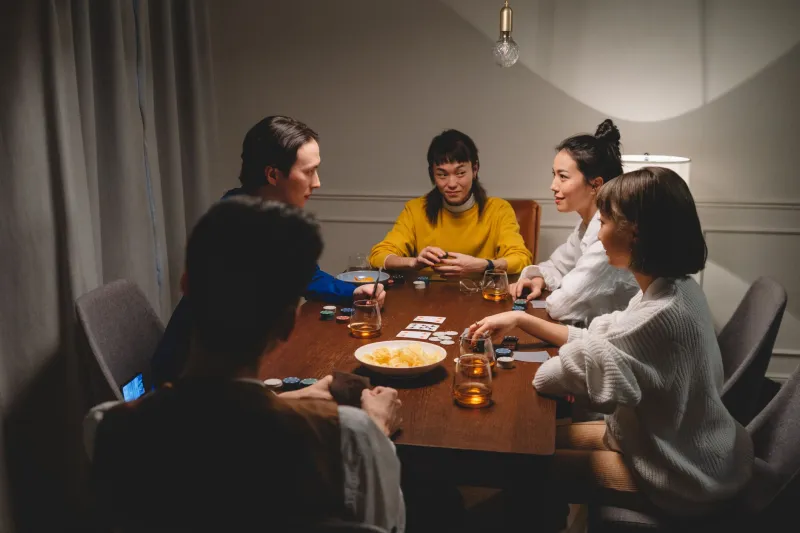
Keep the format familiar. Names in a hat, a few rounds of trivia, a couple of daft forfeits that involve nothing stronger than lime cordial. If your crowd is used to a pub quiz, lean into it: picture rounds, a music intro round, a tie-breaker about the correct way to load a dishwasher. The bourbon is the prize, not the personality of the night.
Mocktails that earn their place
A sad glass of orange squash with a paper umbrella is not hospitality. A good mocktail has a bit of bite and a bit of ceremony. Think tonic, grapefruit, rosemary and a lot of ice. Or ginger beer, lime and mint with a sugared rim. Serve them in the same glasses you’d use for a proper drink, because the glass does half the work.
Pair the drinks with the draw. A citrus-forward mocktail goes well with the opening round; something ginger-heavy keeps the middle rounds lively. If you want a house signature, name it after the prize. “The Sealed Bottle Spritz” has a certain ring to it, even if it contains exactly zero bourbon.
The February IOU: winner drinks later
One of the neatest ways to keep the draw fun in January is to make the prize a promise rather than a pour. The winner gets the bottle — sealed, unopened, fully theirs — plus a handwritten voucher for a “winner’s measure in February”. It can be as simple as a card that says: “Redeemable when the weather is less tragic. One decent pour, one decent chair, no lectures.”
This does two things. It respects anyone who is taking a break from alcohol, and it gives the winner something to look forward to. It also saves you from the slightly tragic sight of a January draw where the winner feels obliged to open a bottle they’d rather save.
Sealed bottle, sealed deal
There is something pleasingly old-fashioned about a sealed bottle on the table. It looks like a prize. It behaves like a prize. And it keeps the evening tidy: no half-measures, no sticky glasses, no one trying to work out whether the last inch counts as a tasting or a tragedy.
If you’re giving away a bottle of Buffalo Trace, make a fuss of it. Put it on a tea towel. Give it a little backstory. Mention that it’s a Kentucky straight bourbon and that the winner is under no obligation to open it before the daffodils appear. The bottle can sit there like a trophy while the quiz gets on with being a quiz.
The house pledge: short, not sanctimonious
A responsible-drinking house pledge should take about fifteen seconds to read and should not sound like a school assembly. Try something like: “We’re here for a good night. Drink what you want, don’t drink what you don’t, look after each other, and nobody drives home after a measure. The bottle stays sealed tonight unless the winner says otherwise.”
That’s it. No finger-wagging, no medical lecture, no one being made to feel like a party pooper. It sets the tone and then gets out of the way. If you want to be extra organised, put a jug of water and a bowl of something salty on the table. January hosting is 20% atmosphere and 80% making sure people have eaten something.
A running order that keeps things moving
Open with the mocktails and the house pledge. Then go straight into the first quiz round. Do the draw halfway through, when everyone is warm but not yet thinking about the last bus. Announce the winner, hand over the sealed bottle and the February IOU, then carry on with the quiz so the winner isn’t put on the spot.
If someone asks, “Isn’t a bourbon draw in Dry January a bit weird?”, the answer is: “Not if you do it properly.” The point of a prize draw is the shared silliness of it — the names in the hat, the rubbish trivia, the mild outrage when someone wins twice. The bourbon is a lovely bonus, not the whole point.
The January verdict
A dry January draw works when it behaves like a normal draw and simply takes the alcohol out of the room. Keep the mocktails interesting, keep the bottle sealed, give the winner a date in February and keep the house pledge short enough that people actually remember it. Then let the quiz do what quizzes do best: make a grey Tuesday feel like a small event.
And if the winner decides to open the bottle in the car park at 9pm, that’s their business. You’ve done your bit. You’ve hosted a proper night, respected the January crowd and sent everyone home with a story. That’s a full house in anyone’s book.